
|
Quantity
|
Total
|
||
|
|
|||
|
|
|||
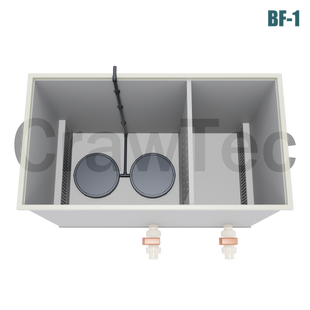
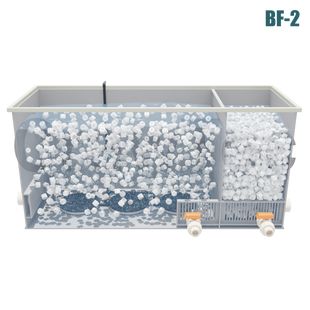
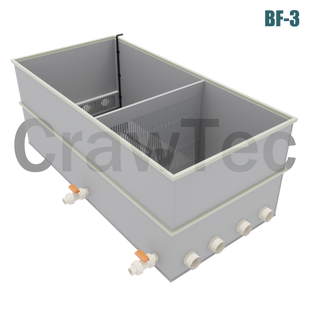
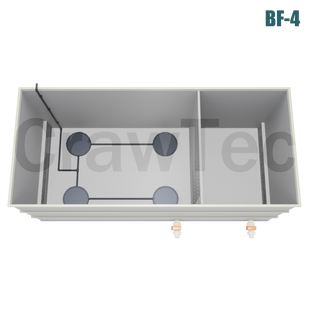
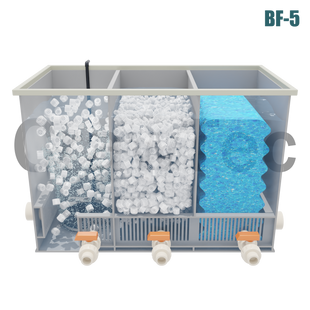
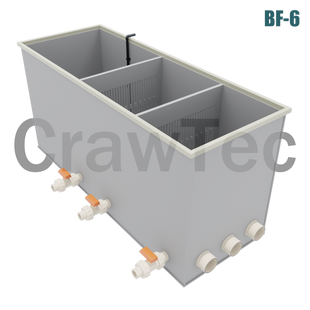
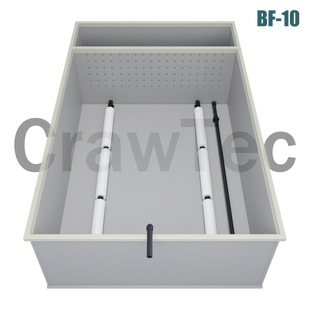
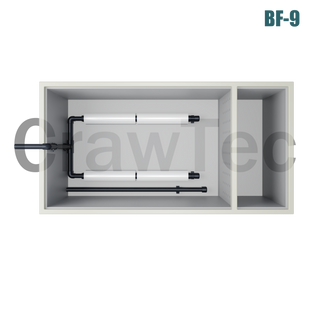
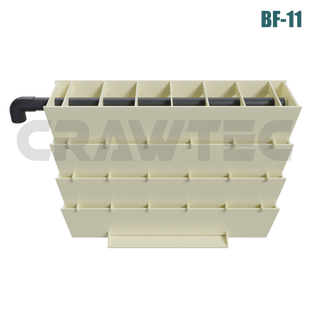
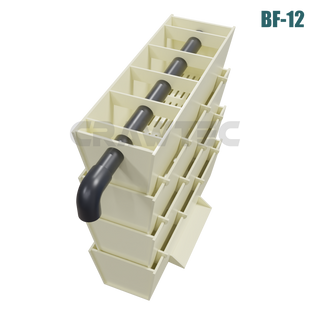
Biological filters are an integral part of water treatment systems in closed-loop water supply (CLS) installations, ponds and aquaculture. They provide effective biological filtration, helping to maintain optimum conditions for aquatic life and improve water quality.
Advantages of biological filters:
- Effective purification: Biofilters remove ammonia, nitrite and other harmful substances, converting them into less toxic compounds.
- Maintaining the ecosystem: They create favourable conditions for the growth of beneficial bacteria that help decompose organic waste.
- Cost Reduction: Reduce the need for frequent water changes and the use of chemicals.
- Water Quality Improvement: Maintain stable water parameters necessary for the health of fish and other aquatic organisms.
Application of biological filters:
Closed water supply systems (CWS): Provide stable biological filtration in intensive fish farming systems.
Ponds and ornamental ponds: Keep water clean and clear, preventing the growth of algae and the accumulation of organic waste.
Aquaculture: Create optimal conditions for the cultivation of fish, shellfish and other hydrobionts.
Aquariums: Provide stable water parameters for different species of fish and invertebrates.
How to choose a biological filter:
The following factors should be considered when selecting a biofilter:
- Volume of the water body or system: The filter should be appropriate for the volume of water and the level of biological load.
- Type of filter media: Different media provide different surface areas for bacterial growth.
- Flow Capacity: The filter should provide the necessary water flow for effective filtration.
- Ease of maintenance: Ease of cleaning and replacement of filter media is important to maintain operational efficiency.
Installation and maintenance:
Biological filters are generally easy to install and require minimal maintenance. Regular inspection and cleaning of the filter media, as well as monitoring of water parameters, will help maintain filtration efficiency and the health of the water body's inhabitants.
Investing in a quality biological filter is the key to a clean and healthy aquatic environment in UZVs, ponds and aquaculture. Effective biological filtration helps to maintain optimal conditions for aquatic life, reduces maintenance costs and improves the overall health of the ecosystem. When selecting the right biofilter, consider your system and water quality requirements to ensure long-term, stable operation of your filtration system.