


|
Quantity
|
Total
|
||
|
|
|||
|
|
|||
Equipment for aquaculture and closed-loop systems: how the system works and what to look out for
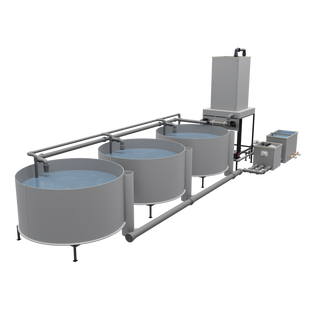
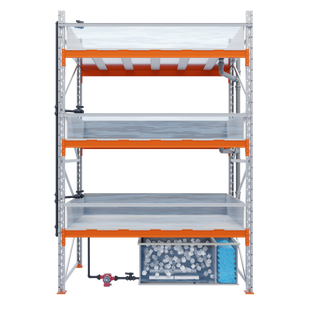
Equipment for aquaculture and closed-loop water systems is not a collection of separate devices, but an interconnected system on which the outcome of cultivation directly depends. Whether we are talking about fish, crayfish or prawns, the principle is always the same: water circulates through a closed loop, is purified and returned to the tanks. It is the stability of this cycle that determines how predictably the entire system will operate.
In practice, most problems in aquaculture are not related to the tanks themselves or the system’s capacity, but to the incorrect organisation of filtration and circulation. When contaminants are not removed in a timely manner, they begin to accumulate, break down and place an additional burden on biological treatment. As a result, water quality deteriorates, the efficiency of the entire system drops and the need for constant intervention increases.
Therefore, when selecting equipment, it is important to consider the system as a whole. Tanks, filtration, circulation and biological treatment must function as a single integrated solution. Attempting to assemble a system from separate components without considering the overall logic often leads to unstable operation and the need for modifications during operation.
What components make up an aquaculture system
Any farming system is built from several basic components. Their configuration may vary depending on the task, but the general principle remains the same.
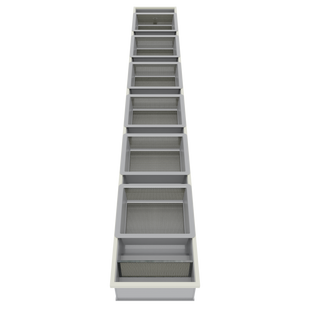
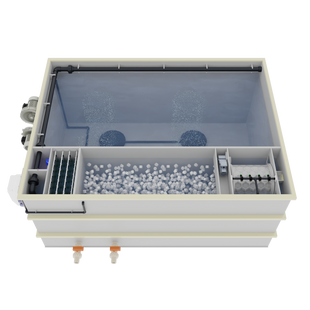
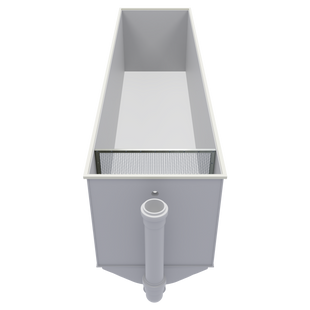
The first and key element is the filtration system. It is responsible for removing mechanical contaminants and preparing the water for further biological treatment. The stability of the flow, water clarity and the load on the entire system depend on the efficiency of the filtration.
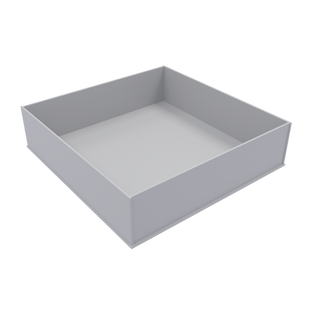
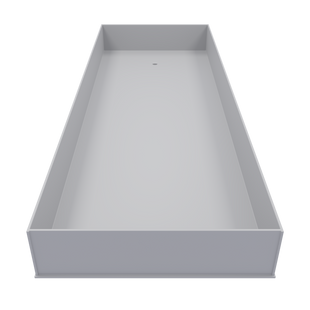
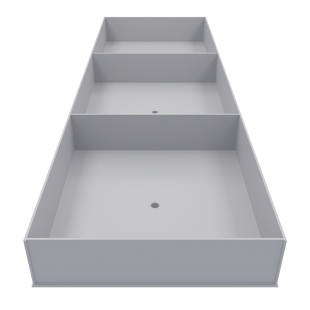
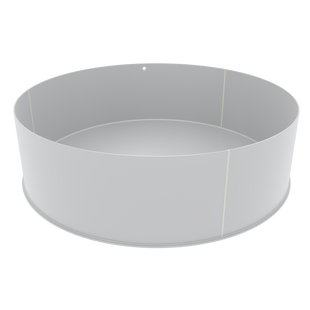
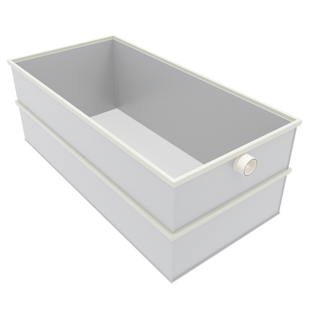
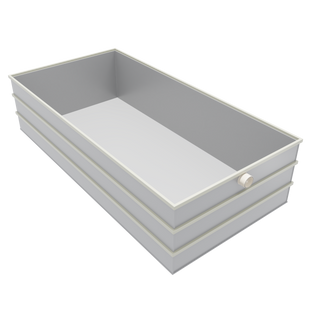
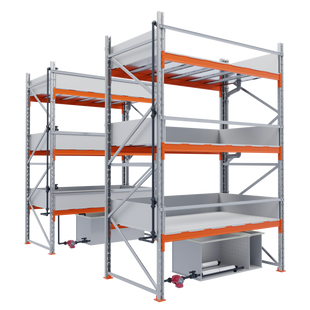
The second element is the tanks or basins. This is where fish, crayfish or prawns are reared. Their shape and volume influence water circulation and the distribution of flows within the system.
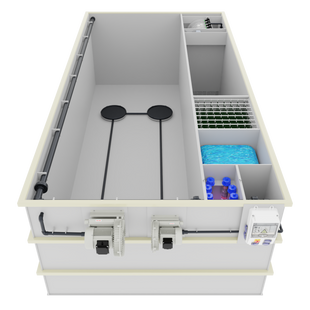
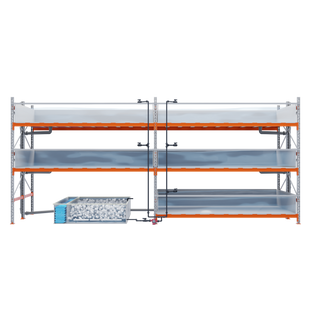
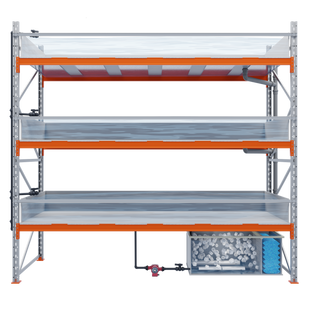
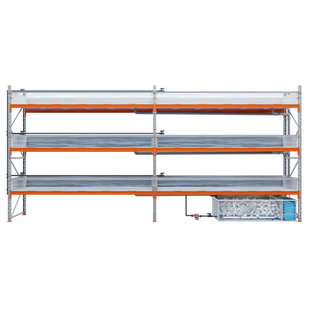
The third element is ready-made recirculating aquaculture system (RAS) modules. These are solutions in which the main components are already assembled into a single system. They allow the facility to be commissioned more quickly and help avoid design errors.
Incubators are also used — specialised equipment for handling eggs and fry. They are employed in the early stages of rearing, where stable water parameters are particularly important.
All these elements must be coordinated with one another. If one of them cannot cope with the load, this affects the operation of the entire system.
Why filtration determines system stability
In any aquaculture system, contaminants are constantly being produced. These include waste products, uneaten feed and organic matter that enters the water. If they are not removed, the system gradually loses its stability.
The most common problem is the accumulation of mechanical debris. It settles in the system, breaks down into small particles and creates a constant suspension. This degrades water quality and increases the load on biological filtration.
The next stage is a reduction in circulation. As the filtration equipment becomes clogged, resistance increases and the actual water flow decreases. Even when the pump is operating normally, the system begins to perform less effectively.
As a result, the load on the biological treatment increases. When mechanical debris is not removed, it enters the biofilter and gradually reduces its efficiency. The system requires increasing maintenance, and water stability declines.
This is precisely why the modern approach to aquaculture is based on the principle of removing contaminants rather than allowing them to accumulate. Effective mechanical filtration helps maintain a stable flow and reduces the load on the rest of the system.
Equipment for different farming applications
The system configuration depends on exactly what you plan to farm. Although the general principles apply, equipment requirements may vary.
When farming fish, the main focus is on water volume and stable circulation. It is important to ensure an even flow distribution and maintain stable environmental parameters.
For crayfish, shelter and behavioural characteristics are important. The system must take into account the shallower depth and specific placement of the animals, as well as ensure water clarity without sharp fluctuations in parameters.
Prawns are more sensitive to water quality. For them, it is particularly important to ensure the consistent removal of contaminants and to minimise the organic load. Any fluctuations in parameters are more quickly reflected in the condition of the system.
Therefore, when selecting equipment, it is important to consider not only the volume but also the type of farming. This helps to avoid mistakes and build a more sustainable system from the outset.
Key considerations when selecting equipment for aquaculture and recirculating aquaculture systems
The main mistake when selecting equipment is to focus on individual specifications or the cost of individual components. This approach leads to the system being assembled without taking into account the overall load and operational logic.
It is far more important to assess the system as a whole. It is necessary to consider the water volume, planned stocking density, type of cultivation and filtration scheme. All components must be compatible with one another in terms of performance and load.
Special attention should be paid to mechanical filtration. It is this that determines how consistently the system will operate in the long term. If contaminants are not removed immediately, this leads to a build-up of problems and increased maintenance costs.
A properly selected system avoids constant adjustments and ensures stable operation without the need for regular intervention. This is particularly important for both small-scale operations and larger facilities.
Equipment for aquaculture and recirculating aquaculture systems (RAS) is always a system, not a collection of individual devices. Its stability depends on how well the filtration, circulation and interaction of all elements are organised.
Mechanical filtration plays a key role in this. It is precisely this that allows contaminants to be removed from the system and maintains stable water parameters. With the right approach, this reduces the load on biological treatment and makes the system’s operation more predictable.
The choice of equipment should be based not on individual specifications, but on an understanding of the entire system. This approach allows you to create a sustainable aquaculture system that will operate reliably and require minimal maintenance.