




|
Quantity
|
Total
|
||
|
|
|||
|
|
|||
CrawTec — Aquaculture Equipment & Engineering Solutions
Engineering solutions for modern aquaculture
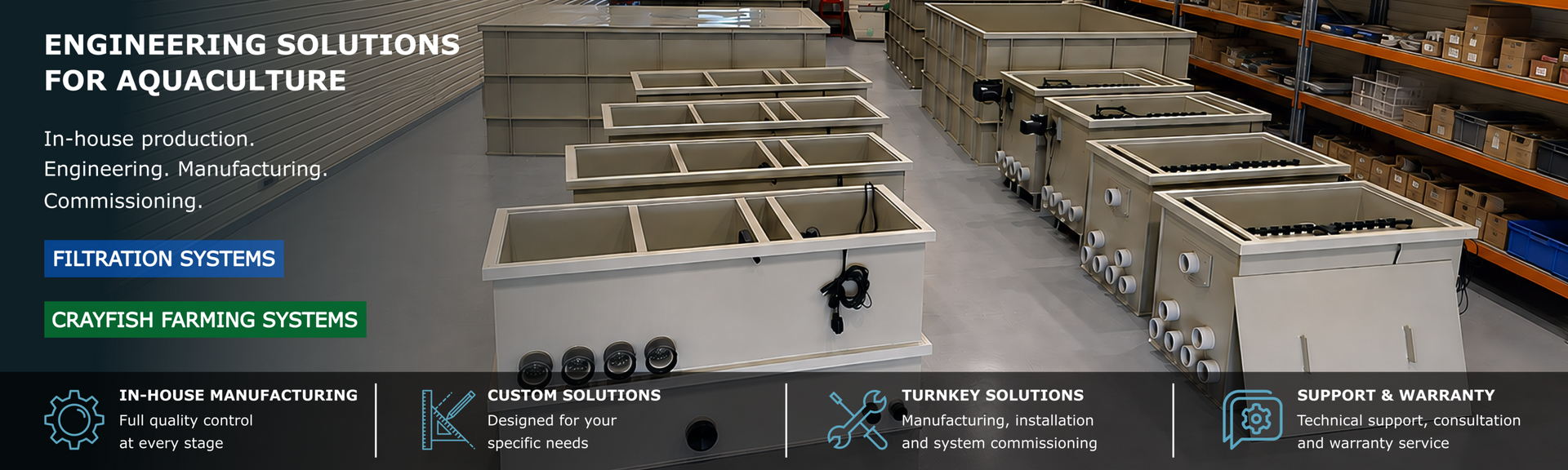
CrawTec designs and manufactures equipment for aquaculture and recirculating aquaculture systems (RAS). Our work ranges from individual water treatment components to complete aquaculture projects, combining equipment manufacturing with engineering, installation and commissioning.
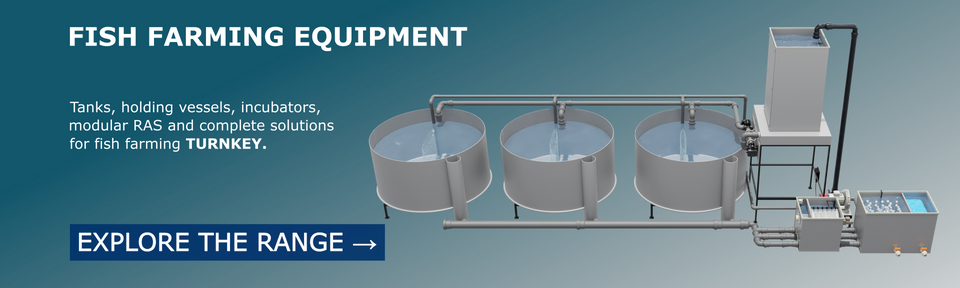
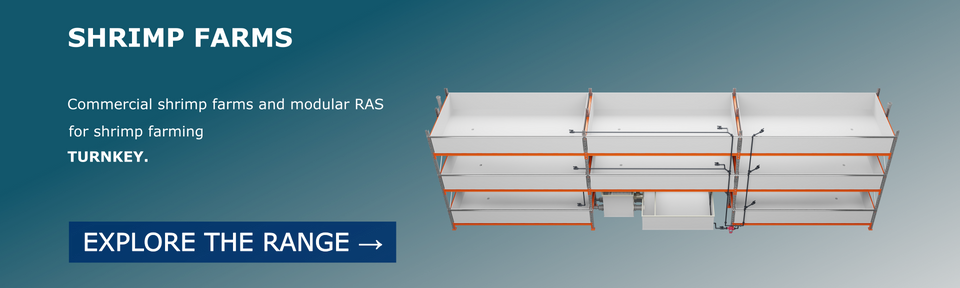
Our solutions cover mechanical and biological filtration, equipment for fish, crayfish and shrimp farming, modular RAS units and custom systems for commercial aquaculture facilities. Rather than applying the same equipment package to every project, we configure each system around the cultured species, production targets, operating load and conditions of the facility.
From aquaculture farm design to commissioning
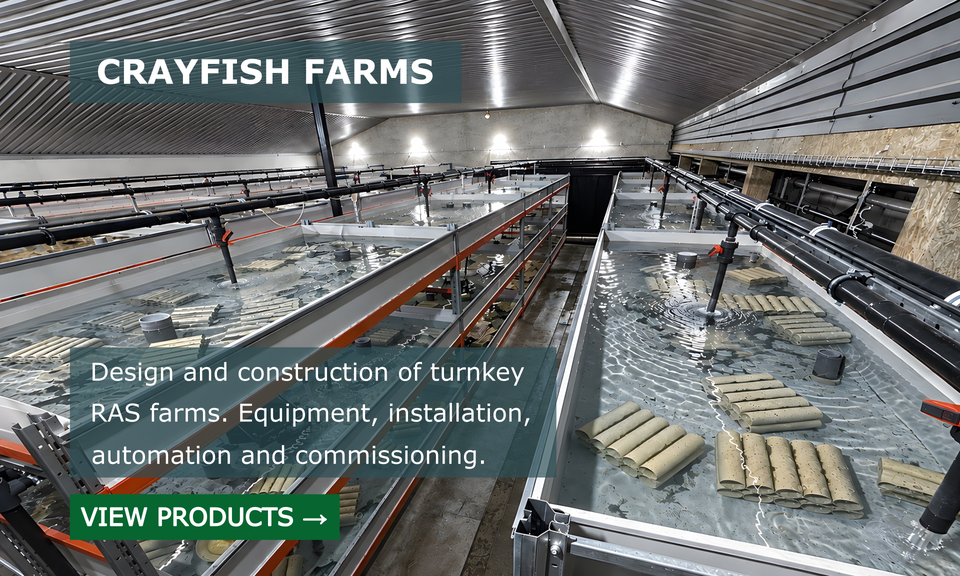
A reliable RAS depends on how well its components work together. Tanks, filtration, water circulation and aeration must be considered as parts of one technological system rather than as separate pieces of equipment. During the engineering stage, we evaluate water flow and treatment requirements, equipment capacity, production areas, utilities and the potential for future expansion.
This approach allows CrawTec to work with projects of different scales, from compact modular systems to commercial aquaculture farms. Depending on the project, our work can include system design, equipment manufacturing, installation, automation and commissioning, followed by technical support during operation.
Aquaculture equipment manufactured by CrawTec
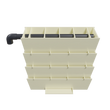
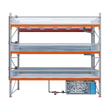
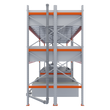
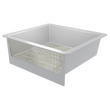
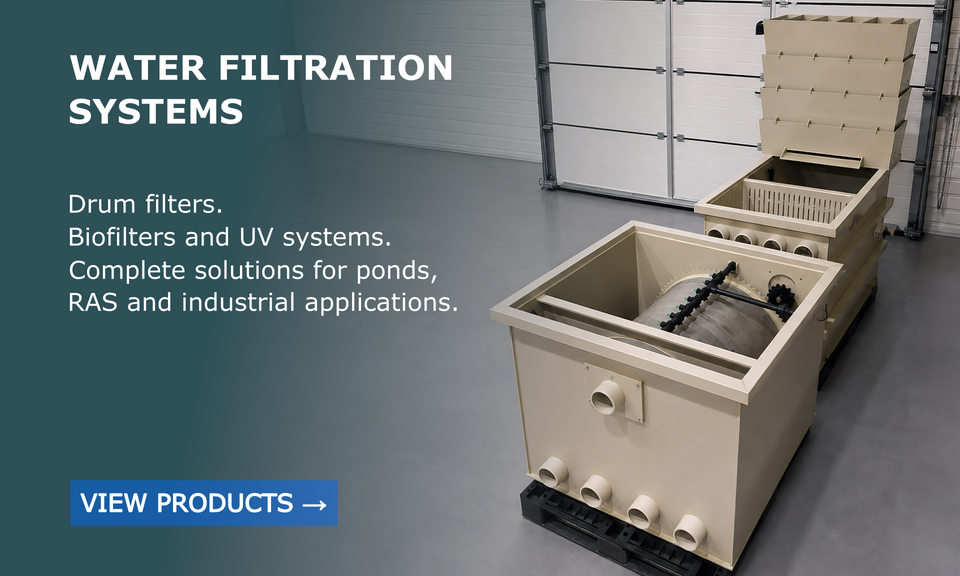
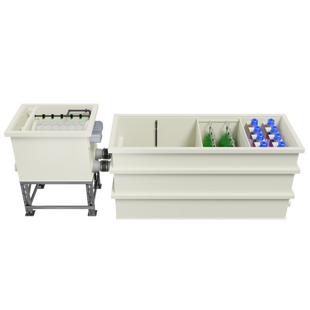
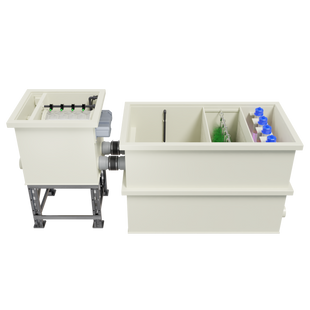
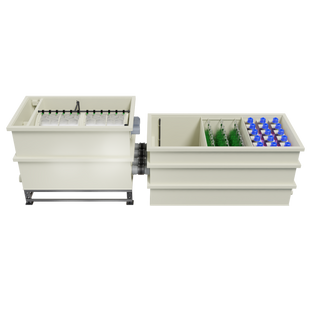
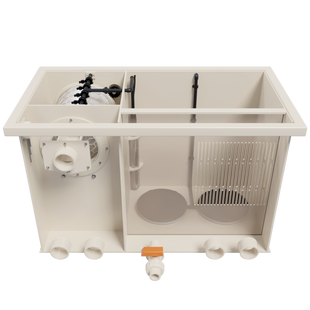
Key CrawTec equipment is manufactured at our own production facility in Ukraine. Our product range includes drum filters, combined and biological filters, integrated filtration systems, aquaculture tanks and basins, RAS modules and specialised farming equipment. In-house manufacturing gives us direct control over equipment design and allows individual components to be adapted to specific project requirements.
Manufacturing experience is supported by practical work with operating aquaculture facilities. CrawTec equipment and engineering solutions are used in fish, crayfish and shrimp farming projects as well as water treatment applications where reliable circulation and filtration are essential. Our goal is not simply to supply individual components, but to provide equipment and systems that are suited to real operating conditions.