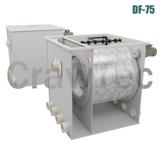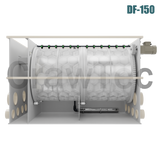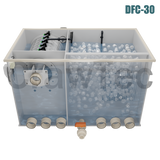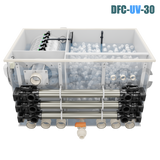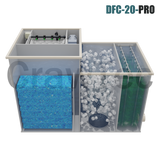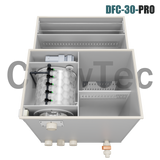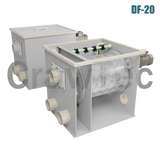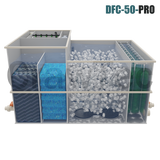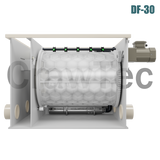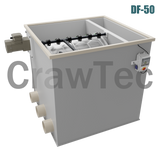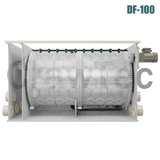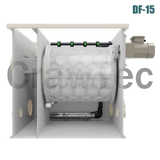


How to choose a drum filter for a closed-circuit water system or RAS?
Selecting a drum filter for a closed-circuit water system (CCWS) or RAS is an important decision that affects the stability of the entire system and the health of the aquatic life being cultured. To make the right choice, you need to consider several key factors that will help you find the best device for your needs.
- Filter performance
One of the main criteria for selecting a drum filter is its capacity, i.e. the volume of water that the filter is able to process per unit of time. The capacity should match or exceed the volume of water circulating in the RAS system. For example, filters with a capacity of 5-10 m³/h are suitable for small farms, while larger systems require models capable of filtering 50 m³/h or more.
- Mesh size
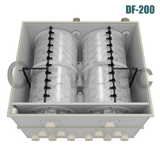
The mesh size affects the degree of water purification. For aquariums where small hydrobionts or fry are reared, it is better to choose filters with a mesh size of 30-50 microns. For systems where large fish or crayfish are reared, filters with mesh sizes of 60-80 microns are suitable. Smaller cells provide more thorough filtration, but require more frequent cleaning.
- Materials of construction
The quality of the materials used to make a drum filter directly affects its durability and resistance to corrosion. Stainless steel, UV-resistant plastic and other corrosion-resistant materials are the best choice for equipment operating in high humidity and water-exposed environments.
- Automated operation
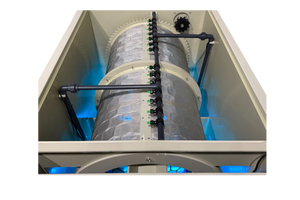
Modern drum filters are equipped with automatic cleaning systems, which greatly simplifies operation. Choose models with water level sensors and built-in mesh washing nozzles to minimise manual maintenance.
- Energy consumption
When choosing a filter, it's worth looking at its energy efficiency. Low-energy devices can help reduce operating costs, which is especially important for large farms.
- Size and configuration
Compact drum filter models are suitable for small farms with limited space. Make sure the model you choose integrates easily into your RCD system and meets your connection requirements.
- Manufacturer and warranty
Reputable manufacturers offer equipment that has been tested and certified. It is also important to look for warranty and service availability.
- Cost and payback
The price of a drum filter can vary depending on its features and brand. However, it is important to evaluate not only the purchase price, but also the long-term benefits: reduced maintenance costs, increased system performance and improved water quality.
- Reviews and testimonials
Before making a purchase, research reviews from other farmers and professionals who work with RCDs. Real-life examples of use will give you an idea of the reliability and efficiency of the equipment.
- The specific requirements of your farm
Every farm is unique, so when choosing a filter, it's worth considering the specifics of the hydrobionts being grown, the production volumes and the specifics of the UZV system.
Choosing a drum filter is an investment in the success of your aquaculture operation. Properly selected equipment will ensure stable system operation, reduce risks and create optimal conditions for growth and development of hydrobionts.
Maintenance and operation of drum filters
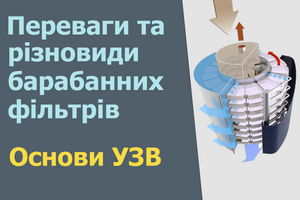
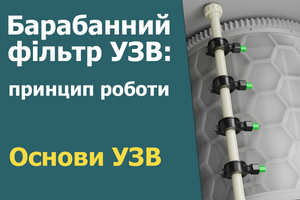
RAS drum filters are highly sophisticated devices that can last for many years with proper operation and timely maintenance. This section covers key aspects of drum filter operation, including equipment care, troubleshooting and tips for extending service life.
- Basic operating principles
- Regularly monitor the system
Although most processes are automated, it is important to periodically check the operation of the filter, including the condition of the drum, screen and self-cleaning system. This will allow you to detect potential problems in time and prevent their development.
- Compliance with technical parameters
Drum filters should be operated within the parameters specified by the manufacturer. Exceeding the recommended volume of water or inadequate contaminant levels may result in reduced filtration efficiency and accelerated wear of the equipment.
- Water Quality
Water passing through the filter must not contain aggressive chemicals or large solids that could damage the drum or its mesh. The use of pre-treatment in the form of coarse filters will help prolong the life of the equipment.
Drum filter Maintenance
- Drum and screen cleaning
The filter screen is a key element of the drum filter. Regularly removing dirt and rinsing the screen under water pressure helps to maintain its capacity. Automatic cleaning systems can usually handle this task, but periodic visual inspection and manual refinishing are required.
- Checking the self-cleaning nozzles
The nozzles responsible for flushing the drum can become clogged over time. Cleaning them and checking the water pressure is a mandatory part of routine maintenance.
- Drive train inspection
The drive mechanism that rotates the drum should be checked regularly for wear, play and lubrication. If any defects are found, it is recommended that the worn elements be replaced immediately.
- Check sensors and electronics
Modern drum filters are equipped with water level and contaminant sensors. These elements require periodic calibration and performance checks to avoid malfunctions in the automatic operation of the device.
Troubleshooting common malfunctions
- Poor water filtration
This can be caused by damage to the mesh, dirt or wear and tear. The solution is to replace the mesh or deep clean it.
- Self-cleaning system failure
If the filter stops cleaning itself, this may be due to clogged nozzles or faulty sensors. In this case, flush the nozzles, check the water supply and the electronics.
- Increased noise or vibrations
This symptom may indicate problems with the drive mechanism or incorrect filter installation. Check the condition of the drive mechanism, mountings and drum balance.
Tips to prolong service life
- Use quality replacement parts
When you need to replace filter elements, choose original manufacturer's parts. This will ensure longevity and reliability of the equipment.
- Personnel training
If the drum filter is used in a commercial environment, make sure that maintenance personnel are familiar with the basic operation and diagnostics of the equipment.
- Preventive maintenance
Regular preventive maintenance, including lubrication, replacement of consumables and checking the electronics, will help avoid serious breakdowns and extend the life of the filter.
The economic benefits of proper maintenance
Timely drum filter maintenance can minimise operating costs, avoid costly downtime and extend the life of the unit. This makes maintenance not only a necessity, but also a cost-effective solution for RAS owners.
The drum filter is a sophisticated but reliable piece of equipment that, when properly operated, can significantly improve the efficiency and profitability of your farm.